

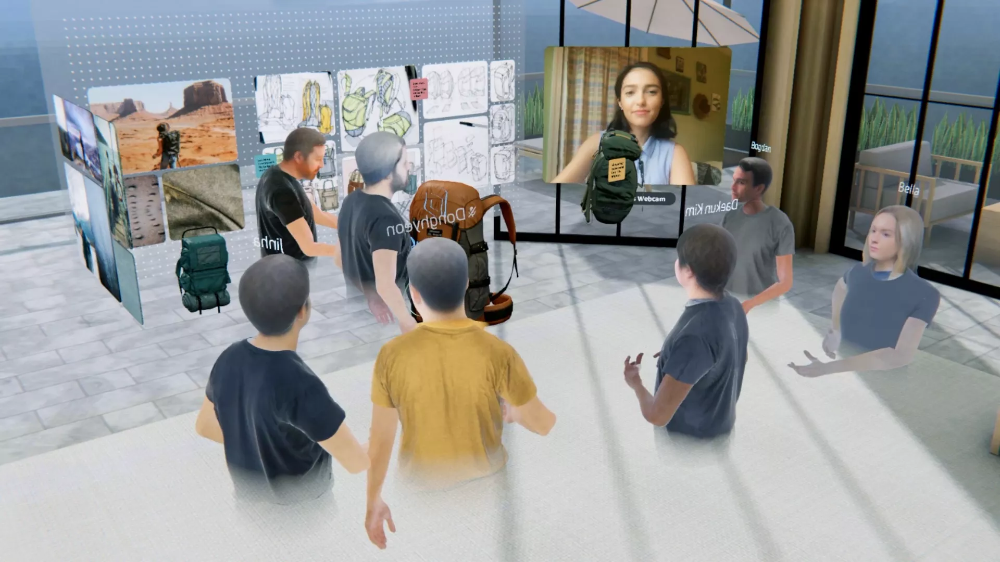
Virtual Reality for Employee Training opens up a world of possibilities, transforming traditional learning methods into immersive, interactive experiences that enhance employee skills and knowledge. As industries evolve and embrace new technologies, the integration of virtual reality in training programs becomes essential for staying competitive and ensuring employee success.
Exploring the benefits, challenges, and impact of virtual reality training programs, this overview delves into the innovative ways organizations are harnessing this cutting-edge technology to revolutionize employee development.
Virtual Reality (VR) is a cutting-edge technology that immerses users in a simulated environment, allowing them to interact with objects and perform tasks as if they were in the real world. In the context of employee training, VR offers a highly engaging and interactive learning experience that enhances retention and skill development.
Benefits
- Improved Engagement: VR provides a hands-on learning experience that keeps employees engaged and motivated throughout the training process.
- Enhanced Retention: By creating realistic scenarios and simulations, VR helps employees retain information better compared to traditional training methods.
- Cost-Effective: VR training can reduce costs associated with traditional training methods, such as travel expenses and physical training materials.
- Safe Environment: VR allows employees to practice tasks and procedures in a safe and controlled environment, reducing the risk of accidents or errors.
Examples of Industries or Companies Utilizing
- Automotive Industry: Companies like Ford and Volkswagen use VR to train employees on assembly line processes, maintenance tasks, and customer service scenarios.
- Healthcare Sector: Hospitals and medical schools utilize VR to simulate surgeries, patient care situations, and medical emergencies for training healthcare professionals.
- Retail Sector: Retailers like Walmart and Target incorporate VR for training employees in customer service, product knowledge, and store operations.
Implementation
Implementing virtual reality training programs for employees involves several key steps to ensure effectiveness and success. Here is a breakdown of the process, a comparison of its effectiveness with traditional training methods, and a discussion on cost considerations.
Creating a Virtual Reality Training Program
- Identify Training Needs: Determine the specific skills or knowledge gaps that virtual reality training can address.
- Content Development: Create interactive and engaging training modules tailored to the identified needs.
- Choose VR Hardware and Software: Select suitable VR headsets, controllers, and software that align with the training objectives.
- Integration and Testing: Integrate the content into the VR platform and conduct thorough testing to ensure functionality and user experience.
- Deployment and Feedback: Roll out the training program to employees and collect feedback for continuous improvement.
Effectiveness of Virtual Reality Training
- Enhanced Engagement: VR training offers immersive experiences that increase engagement and knowledge retention.
- Real-life Simulations: Employees can practice skills in realistic scenarios, leading to better practical application.
- Personalized Learning: VR training can be customized to individual learning styles and pace, maximizing effectiveness.
- Higher ROI: Studies show that VR training can result in faster learning outcomes and better performance compared to traditional methods.
Cost Considerations
- Initial Investment: Setting up a VR training program requires investment in hardware, software, and content development.
- Maintenance Costs: Regular updates, technical support, and content refresh are essential for ongoing success.
- ROI Analysis: Conduct a thorough analysis to determine the return on investment and long-term benefits of VR training.
- Scalability: Consider scalability factors such as the number of employees to be trained and future expansion of the program.
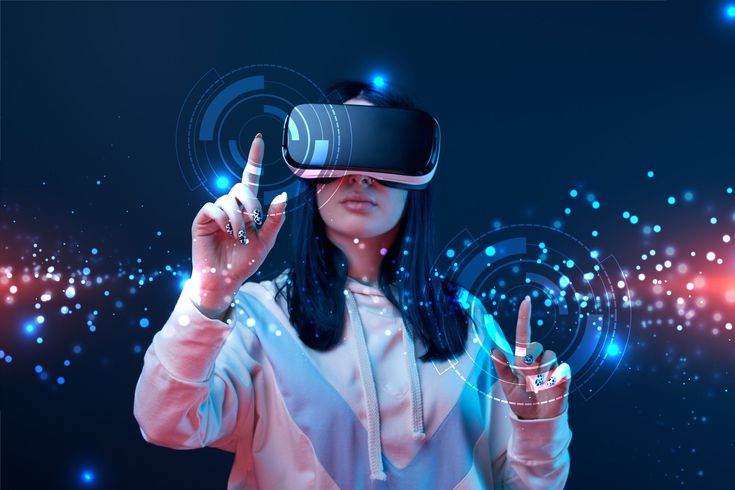
Customization and Personalization in Virtual Reality Training
Virtual reality training programs offer a unique opportunity to tailor learning experiences to individual employee needs, enhancing engagement and knowledge retention. By customizing and personalizing virtual reality training, organizations can create more effective and impactful learning experiences for their employees.
Tailoring Training Programs
- Customizing scenarios: Virtual reality training can be tailored to simulate specific job-related scenarios, allowing employees to practice real-world tasks in a safe and controlled environment.
- Personalizing feedback: Virtual reality training programs can provide personalized feedback based on individual performance, helping employees identify areas for improvement and track their progress over time.
- Adapting difficulty levels: Virtual reality simulations can be adjusted to match the skill level of each employee, ensuring that training remains challenging yet achievable for all participants.
Enhancing Learning Experience
- Interactive learning: Personalized virtual reality training encourages active participation and engagement, leading to a more immersive and impactful learning experience.
- Individualized pace: Employees can progress through virtual reality training programs at their own pace, allowing them to focus on areas where they need more practice or guidance.
- Real-time feedback: Customized feedback in virtual reality training enables employees to receive immediate performance evaluations, facilitating continuous learning and improvement.
Challenges and Opportunities
- Challenges of customization: Customizing virtual reality training for different roles or departments within an organization may require significant resources and expertise to develop tailored content that meets specific learning objectives.
- Opportunities for innovation: Despite challenges, the ability to customize virtual reality training presents opportunities for organizations to innovate and differentiate their training programs, ultimately leading to more effective employee development.
- Role-specific training: Customized virtual reality training can address the unique learning needs of employees in different roles, providing targeted skills development that aligns with job requirements and performance expectations.
Assessing the Impact
Virtual Reality (VR) training programs have revolutionized the way employees learn and develop new skills. By immersing employees in realistic and interactive simulations, VR has the potential to significantly enhance employee performance in various ways.
One crucial aspect of assessing the impact of VR on employee performance is identifying key performance indicators (KPIs) that can effectively measure the effectiveness of VR training. These KPIs may include metrics such as training completion rates, knowledge retention, skills acquisition, and performance improvement in real-world scenarios.
Improving Employee Retention and Job Satisfaction
Virtual Reality training can play a vital role in improving employee retention rates and job satisfaction. By providing engaging and interactive training experiences, VR can enhance employee engagement and motivation, leading to higher job satisfaction. Additionally, VR simulations can help employees develop new skills and competencies, making them feel more competent and valued in their roles, which in turn can boost retention rates.
- VR training offers a personalized learning experience tailored to individual employee needs, increasing engagement and knowledge retention.
- Interactive VR simulations provide a safe environment for employees to practice and improve their skills, leading to increased confidence and job satisfaction.
- By incorporating gamification elements into VR training programs, employees are motivated to achieve goals and milestones, resulting in higher job satisfaction and performance.
Long-term Benefits
The implementation of VR training programs can yield long-term benefits for employees and organizations alike. Beyond immediate performance improvements, VR training offers sustainable advantages that can positively impact the growth and success of the business.
VR training can lead to a more skilled and competent workforce, reducing errors and improving overall productivity.
- Enhanced employee skills and competencies acquired through VR training can lead to increased innovation and adaptability within the organization.
- Improved job satisfaction and retention rates resulting from VR training can contribute to a positive work culture and employee morale.
- Cost savings in the long run as VR training reduces the need for traditional training methods, travel expenses, and time away from work.
In conclusion, Virtual Reality for Employee Training represents a groundbreaking shift in how organizations approach training and development. By leveraging the power of virtual reality, companies can create engaging, personalized learning experiences that drive performance, enhance retention, and ultimately boost employee satisfaction and success. As we look towards the future, the adoption of virtual reality in employee training will continue to shape the workforce of tomorrow, unlocking new opportunities for growth and innovation.