

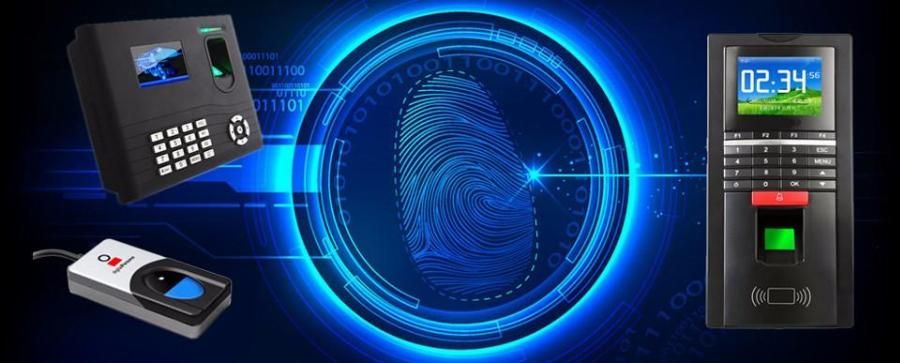
As Biometric Security Systems for Access Control takes center stage, this opening passage beckons readers with inspirational narrative language style into a world crafted with good knowledge, ensuring a reading experience that is both absorbing and distinctly original.
Biometric security systems have revolutionized access control, offering advanced methods of authentication and protection. This technology utilizes unique biological characteristics to grant or deny entry, making it a cutting-edge solution for security needs. Let’s delve deeper into the intricacies of biometric security systems and explore their impact on access control measures.
Biometric security systems are advanced technological solutions that use unique physical or behavioral characteristics of individuals to verify their identity. These systems provide a high level of security by ensuring that only authorized individuals have access to specific areas or information.
Biometric data, such as fingerprints, iris patterns, facial features, voiceprints, or even DNA, is collected and stored in a database. When a person tries to gain access to a secure location or system, the biometric system compares the captured biometric data with the stored data to authenticate the individual’s identity.
Types of Biometric Identifiers
- Fingerprint Recognition: This is one of the most common biometric identifiers used in access control systems. Each person has a unique fingerprint pattern that can be quickly scanned and matched for authentication.
- Facial Recognition: This technology analyzes facial features such as the distance between the eyes, nose, and mouth to verify identity.
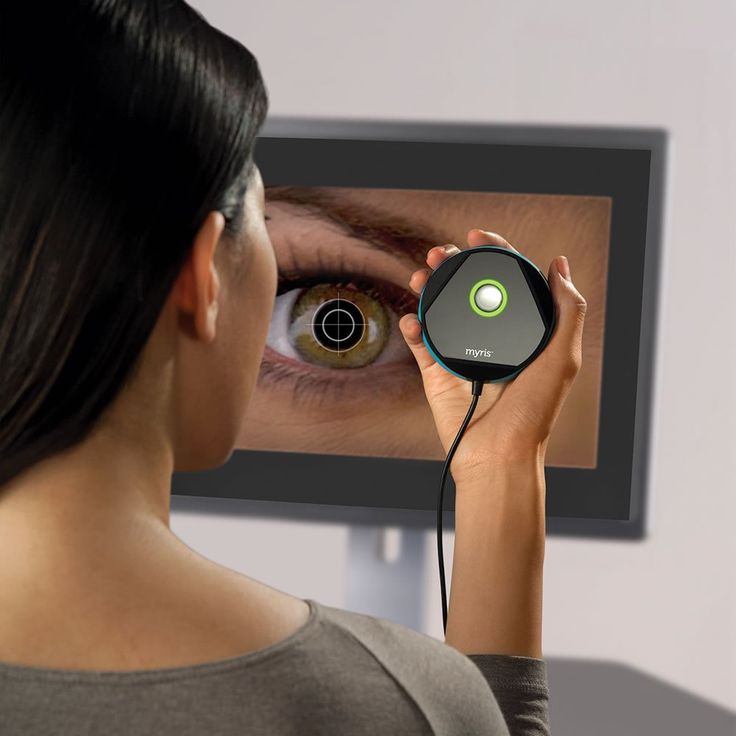
- Iris Recognition: Iris patterns are unique to each individual and can be scanned to provide accurate identification.
- Voice Recognition: This biometric identifier analyzes the unique vocal characteristics of an individual for access control.
Advantages and Limitations
- Advantages:
- High Security: Biometric systems provide a higher level of security as compared to traditional access control methods like keys or passwords.
- Convenience: Users do not have to remember passwords or carry physical keys, making the authentication process quick and easy.
- Non-transferable: Biometric identifiers are unique to each individual and cannot be shared or transferred, enhancing security.
- Limitations:
- Cost: Implementing biometric systems can be expensive due to the need for specialized hardware and software.
- Privacy Concerns: The collection and storage of biometric data raise privacy concerns regarding its misuse or unauthorized access.
- Accuracy: Biometric systems may sometimes encounter false rejections or false acceptances, impacting user experience.
Types
Biometric technologies for access control have evolved significantly over the years, offering a range of options for secure authentication. Let’s explore some of the key types of biometric technologies commonly used in access control systems.
Fingerprint Recognition vs. Facial Recognition Technologies
Fingerprint recognition and facial recognition are two popular biometric technologies used for access control. While fingerprint recognition relies on unique patterns in an individual’s fingerprint for authentication, facial recognition analyzes facial features such as the distance between eyes, nose, and mouth. Fingerprint recognition is known for its high accuracy and reliability, while facial recognition offers the advantage of contactless authentication, making it more hygienic and convenient in certain scenarios.
Iris Recognition as a Biometric Identifier
Iris recognition is a biometric technology that leverages the unique patterns in an individual’s iris for authentication. The iris is the colored part of the eye that contains intricate patterns that are distinct to each person. In an access control system, a specialized camera captures the iris pattern, which is then compared to a stored template for verification. Iris recognition is known for its high accuracy and reliability, making it a secure biometric identifier for access control.
Voice Recognition in Access Control Systems
Voice recognition is a biometric technology that analyzes the unique characteristics of an individual’s voice for authentication. By capturing and analyzing speech patterns, vocal tones, and other vocal features, voice recognition systems can verify a person’s identity. Voice recognition offers the advantage of hands-free authentication, making it convenient for scenarios where users may have their hands occupied. However, background noise and variations in speech patterns can sometimes pose challenges for voice recognition systems.
Emerging Trends
As technology continues to advance, several emerging trends are shaping the future of biometric technologies for access control. One such trend is the integration of multiple biometric modalities, such as combining fingerprint and facial recognition for enhanced security. Another trend is the adoption of contactless biometric technologies, including palm vein recognition and gait analysis, which offer hygienic and convenient authentication methods. Additionally, advancements in artificial intelligence and machine learning are driving the development of more intelligent and adaptive biometric systems that can continuously improve accuracy and performance.
Implementation of Biometric Security Systems
Biometric security systems are a cutting-edge technology that provides a high level of security and convenience for access control. Integrating biometric systems with access control involves several key steps to ensure smooth operation and enhanced security.
Integrating Biometric Security Systems with Access Control
- Assess the existing access control system to determine compatibility with biometric technology.
- Select the appropriate biometric technology based on security requirements and user convenience.
- Install biometric hardware such as fingerprint scanners, iris scanners, or facial recognition devices at entry points.
- Integrate biometric software with the access control system to enable biometric authentication.
- Test the system thoroughly to ensure accuracy and reliability before full deployment.
Enrollment Process for Users
- Users are required to register their biometric data, such as fingerprints or facial features, into the system.
- During enrollment, the system captures the biometric information and stores it securely in the database.
- Users may need to repeat the enrollment process multiple times to ensure accurate biometric data capture.
- Once enrolled, users can use their biometric data to gain access to secured areas instead of traditional methods like keycards or passwords.
Importance of Database Management
- Database management is crucial for storing and maintaining biometric data securely.
- Regular backups and encryption of biometric data help prevent unauthorized access or data loss.
- Database management ensures quick retrieval of biometric information during authentication processes.
- Proper database management is essential for system scalability and efficiency in handling a large number of users.
Best Practices for Maintaining and Updating
- Regularly update biometric software and firmware to patch security vulnerabilities and improve system performance.
- Conduct periodic maintenance checks on biometric hardware to ensure proper functioning and accuracy.
- Train system administrators and users on best practices for using biometric security systems effectively.
- Implement strict access control policies to prevent unauthorized tampering or misuse of biometric data.
Security and Privacy Considerations

Biometric security systems offer a high level of protection for access control, but they also come with their own set of security and privacy considerations that need to be addressed to ensure the integrity of the system.
Security Risks Associated with Biometric Data
Biometric data, such as fingerprints or facial scans, can be vulnerable to theft or misuse if not properly secured. Hackers may attempt to intercept biometric information during transmission or even replicate biometric traits to gain unauthorized access.
- Implementing encryption protocols to protect biometric data during transmission and storage.
- Regularly updating biometric templates and algorithms to stay ahead of potential attacks.
- Deploying multi-factor authentication alongside biometric systems for an added layer of security.
Privacy Implications of Biometric Identifiers
Using biometric identifiers for access control raises concerns about privacy, as individuals may feel uneasy about their unique physical traits being used for identification purposes. There is a risk of unauthorized access to biometric data, leading to potential identity theft or surveillance concerns.
- Ensuring transparency in how biometric data is collected, stored, and used.
- Obtaining informed consent from individuals before enrolling their biometric information in the system.
- Implementing strict access controls and data protection measures to prevent unauthorized use of biometric data.
Regulatory Compliance Requirements
Regulatory bodies have established guidelines and laws to govern the use of biometric security systems and protect individuals’ rights to privacy and security. Compliance with these regulations is essential for organizations utilizing biometric technology for access control.
- Adhering to data protection regulations such as GDPR or HIPAA to safeguard biometric data.
- Conducting regular audits and assessments to ensure compliance with industry standards and regulations.
- Providing individuals with the ability to access, update, and delete their biometric data as needed.
In conclusion, Biometric Security Systems for Access Control stand as a beacon of innovation and reliability in the realm of security. By blending cutting-edge technology with robust security measures, these systems pave the way for safer and more efficient access control solutions. Embracing biometric security systems ensures not only protection but also peace of mind in an increasingly digital world.