

With Blockchain Technology in Supply Chain Management at the forefront, embark on a journey where transparency, traceability, and security converge to reshape the future of supply chain operations.
Discover how blockchain empowers businesses to enhance visibility, trust, and efficiency in managing complex supply chains, paving the way for a more interconnected and secure ecosystem.
Blockchain technology plays a crucial role in enhancing the efficiency and transparency of supply chain management processes. By leveraging the decentralized and immutable nature of blockchain, companies can revolutionize the way they track and manage their supply chains, leading to improved trust, security, and authenticity in the ecosystem.
Enhancing Transparency in the Supply Chain
Blockchain technology enables real-time visibility and transparency across the entire supply chain network. Each transaction or data entry is recorded on a shared ledger that is accessible to all authorized parties, ensuring that information is accurate, up-to-date, and tamper-proof. This transparency helps stakeholders identify inefficiencies, reduce delays, and optimize processes for better decision-making.
Improving Traceability of Products
With blockchain, companies can track the movement of products from the source to the end consumer with unprecedented accuracy. Each product is assigned a unique digital identifier that is recorded on the blockchain, allowing stakeholders to trace its journey at every stage. This level of traceability not only helps in preventing counterfeiting and fraud but also enables quick and efficient recalls in case of safety issues.
Ensuring Security and Authenticity of Data
Blockchain technology provides a secure and tamper-resistant platform for storing sensitive supply chain data. The decentralized nature of blockchain eliminates the need for a central authority, reducing the risk of data breaches or cyberattacks. Additionally, the immutability of blockchain ensures that once data is recorded, it cannot be altered or deleted, guaranteeing the authenticity and integrity of information throughout the supply chain.
Applications
Blockchain technology has revolutionized the way supply chains operate, offering increased transparency, security, and efficiency. Let’s explore some key applications of blockchain in supply chain management.
Companies Using Blockchain for Supply Chain Management
- Walmart: Utilizes blockchain to track the journey of food products from farm to store, ensuring authenticity and reducing food wastage.
- IBM Food Trust: Collaborates with various food companies to enhance traceability and safety in the food supply chain using blockchain technology.
- Maersk and IBM TradeLens: Joint venture for digitizing global trade processes, improving efficiency, and reducing paperwork through blockchain.
Smart Contracts Streamlining Processes
Blockchain’s smart contracts automate and streamline supply chain processes, reducing the need for intermediaries and minimizing errors. These self-executing contracts ensure transparency and efficiency in transactions, such as payment settlements and order fulfillment.
Verification of Certifications and Compliance
Blockchain is used to verify certifications, compliance documents, and authenticity of products along the supply chain. By storing this information on an immutable ledger, companies can ensure that products meet regulatory standards, ethical practices, and quality requirements. This enhances trust among stakeholders and consumers.
Benefits and Challenges
Blockchain technology offers numerous benefits for supply chain management, including increased transparency, enhanced security, improved traceability, and reduced costs. However, organizations also face challenges when implementing blockchain solutions, such as regulatory issues, scalability concerns, interoperability issues, and resistance to change.
Benefits
- Increased Transparency: Blockchain provides a secure and transparent way to track and record transactions, allowing all parties involved in the supply chain to access real-time information.
- Enhanced Security: The decentralized nature of blockchain ensures that data is secure and tamper-proof, reducing the risk of fraud and cyber attacks.
- Improved Traceability: With blockchain, organizations can easily trace the origins of products, making it easier to identify and address issues such as product recalls or counterfeit goods.
- Reduced Costs: By streamlining processes and eliminating intermediaries, blockchain can help reduce costs associated with supply chain management.
Challenges Faced by Organizations When Implementing Blockchain Solutions
- Regulatory Issues: The regulatory landscape surrounding blockchain technology is still evolving, leading to uncertainty and compliance challenges for organizations.
- Scalability Concerns: As the volume of transactions increases, scalability becomes a concern for blockchain networks, potentially impacting performance.
- Interoperability Issues: Ensuring interoperability between different blockchain platforms and existing systems can be a complex and challenging task for organizations.
- Resistance to Change: Implementing blockchain requires a cultural shift within organizations, which may face resistance from employees and stakeholders accustomed to traditional systems.
Comparison of Traditional Supply Chain Systems with Blockchain-Based Systems
- Efficiency: Blockchain-based systems offer greater efficiency by automating processes, reducing paperwork, and eliminating manual errors compared to traditional supply chain systems.
- Cost-Effectiveness: While initial implementation costs may be higher for blockchain systems, the long-term cost savings from increased efficiency and reduced errors make them a more cost-effective option in the long run.
Future Trends
Blockchain technology is set to revolutionize supply chain management in the future, bringing about significant changes in transparency, efficiency, and security. As the technology continues to evolve, we can predict several trends that will shape the future of supply chain management.
Integration of Smart Contracts
Smart contracts are self-executing contracts with the terms of the agreement between buyer and seller directly written into lines of code. With blockchain, smart contracts can automate and streamline various supply chain processes, such as payments, agreements, and logistics. This integration will reduce the need for intermediaries, minimize errors, and enhance trust among parties involved.
Enhanced Traceability and Authentication
Blockchain technology enables the creation of immutable records of every transaction or event within the supply chain. This level of transparency ensures that products can be traced back to their origin, helping in the prevention of counterfeiting, fraud, and quality control issues. In the future, we can expect more sophisticated traceability solutions that leverage blockchain for enhanced authentication and verification.
Combination with IoT Devices
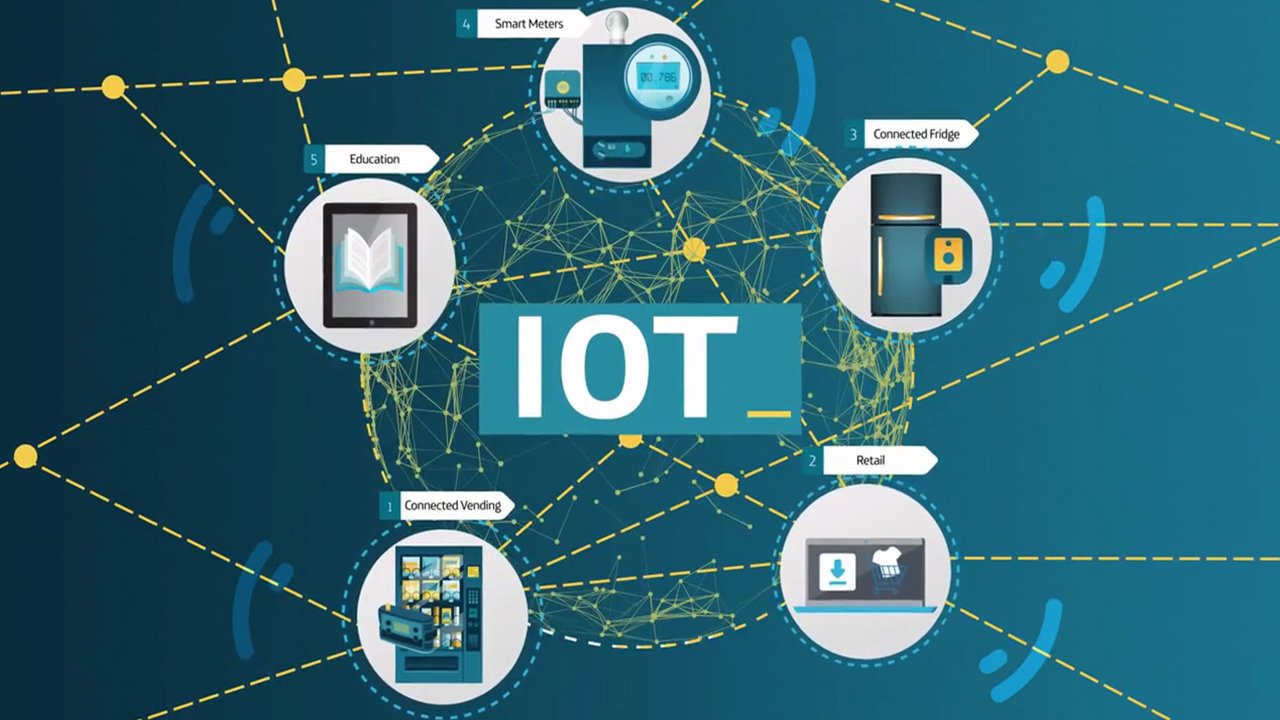
The integration of Internet of Things (IoT) devices with blockchain technology will further optimize supply chain processes. IoT devices can collect real-time data on product location, temperature, humidity, and other relevant factors, which can be securely stored on the blockchain. By combining these technologies, supply chain managers can gain greater visibility and control over their operations, leading to improved efficiency and reduced costs.
Interoperability and Standardization
As blockchain technology becomes more widespread in supply chain management, there will be a greater emphasis on interoperability and standardization. Different blockchain platforms and systems will need to communicate seamlessly with each other to ensure the smooth flow of information across the entire supply chain network. Establishing common standards and protocols will be crucial for the successful implementation and adoption of blockchain in supply chain management.
Decentralized Supply Chain Networks
In the future, we can expect the emergence of decentralized supply chain networks powered by blockchain technology. These networks will enable direct peer-to-peer interactions between buyers and suppliers, eliminating the need for centralized authorities or intermediaries. By decentralizing supply chain operations, organizations can achieve greater efficiency, transparency, and agility in their processes.
As we conclude our exploration of Blockchain Technology in Supply Chain Management, it’s evident that the integration of blockchain is not just a trend but a transformative force reshaping the way businesses operate and collaborate in the global marketplace.