

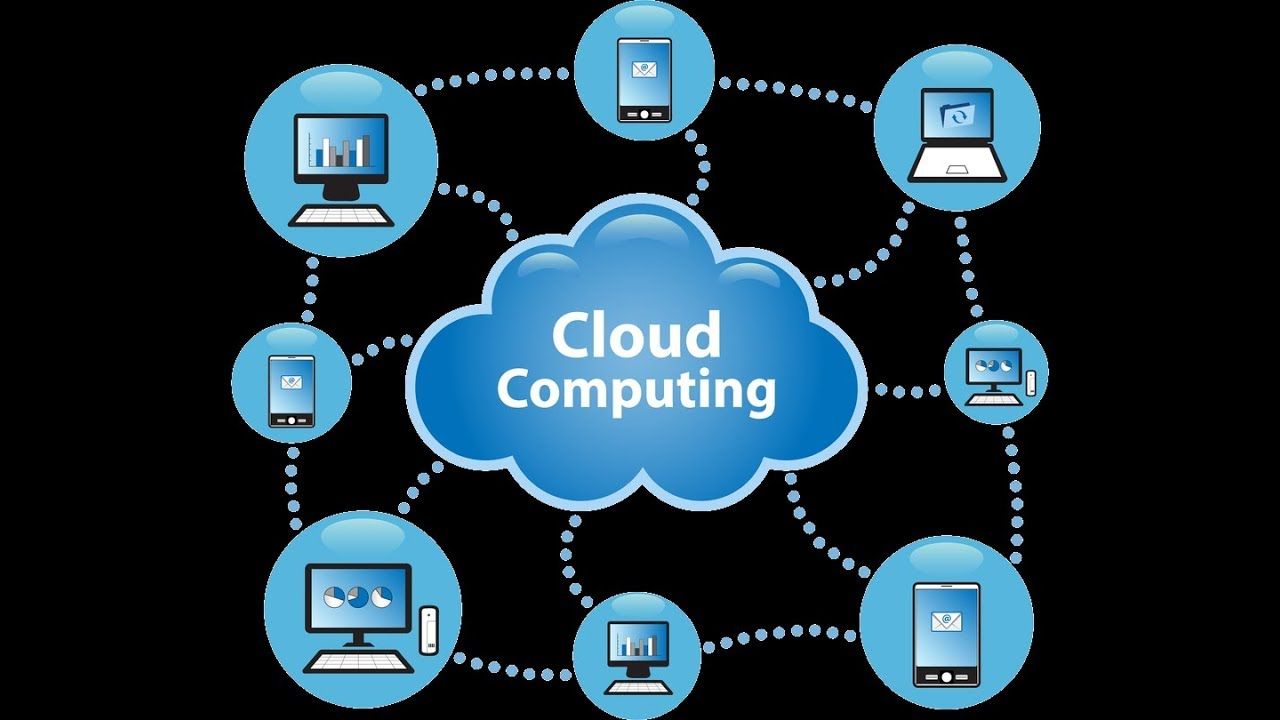
Cloud Computing for Remote Work introduces a transformative approach to modern work dynamics, revolutionizing how businesses operate in a digital landscape. As organizations increasingly embrace remote work setups, the role of cloud computing becomes paramount in ensuring seamless collaboration, scalability, and security. This comprehensive guide delves into the multifaceted aspects of cloud computing for remote work, shedding light on its importance, security considerations, cost efficiency, and emerging trends.
Whether you’re a seasoned professional navigating the remote work terrain or a business looking to optimize operations, this exploration of cloud computing for remote work will provide valuable insights and strategies to thrive in a virtual work environment.
Cloud computing plays a crucial role in enabling remote work by providing a flexible and efficient infrastructure that allows employees to work from anywhere. This technology has revolutionized the way businesses operate, offering numerous benefits that enhance productivity and collaboration among remote teams.
Facilitating Remote Work Efficiency
Cloud computing eliminates the need for physical infrastructure and on-premises servers, allowing employees to access files, applications, and resources remotely. This flexibility enables seamless communication and workflow, ensuring that work can continue uninterrupted regardless of location. By utilizing cloud-based tools and services, remote workers can stay connected and productive, contributing to the overall efficiency of the organization.
Enabling Collaboration Among Remote Teams
One of the key advantages of cloud computing for remote work is its ability to facilitate collaboration among team members scattered across different locations. Cloud-based platforms offer real-time communication tools, file sharing capabilities, and project management solutions that enable remote teams to work together seamlessly. This fosters a sense of unity and teamwork, despite the physical distance, leading to improved productivity and innovation.
Scalability Benefits for Remote Work Infrastructure
Cloud computing provides scalability benefits that are particularly advantageous for remote work setups. Organizations can easily adjust their cloud resources based on the changing demands of remote work, ensuring that they have the necessary capacity to support their workforce. This flexibility allows businesses to scale up or down as needed, without the constraints of traditional on-premises infrastructure. By leveraging the scalability of cloud computing, companies can adapt to evolving remote work requirements and maintain operational efficiency.
Security Considerations
In the realm of remote work, security considerations are paramount when utilizing cloud computing services. As employees access and share sensitive data from various locations, it is crucial to address potential security risks and implement best practices to safeguard confidential information.
Potential Security Risks
- Unauthorized Access: Remote work opens up the possibility of unauthorized individuals gaining access to sensitive data stored in the cloud.
- Data Breaches: Cloud services may be vulnerable to cyber attacks, leading to data breaches and exposure of confidential information.
- Data Loss: Inadequate backup measures or technical failures in the cloud infrastructure can result in data loss for remote workers.
Best Practices for Data Privacy
- Implement Multi-factor Authentication: Require multiple forms of verification to access cloud services and applications, enhancing security measures.
- Regular Security Updates: Ensure that all software and systems are up to date with the latest security patches to mitigate vulnerabilities.
- Employee Training: Educate remote workers on cybersecurity best practices and the importance of data privacy in a cloud-based environment.
Importance of Encryption Protocols
- Secure Data Transmission: Encryption protocols ensure that data transferred between devices and the cloud is encrypted, preventing unauthorized access.
- Data Protection: By encrypting data at rest and in transit, organizations can maintain the confidentiality and integrity of sensitive information stored in the cloud.
- Compliance Requirements: Encryption protocols help organizations meet regulatory standards and compliance requirements regarding data security and privacy.

Cost Efficiency
Cloud computing offers significant cost advantages for remote work compared to traditional on-premises solutions. By leveraging cloud-based services, organizations can achieve cost savings, increased flexibility, and scalability in their remote work setups.
Cost-saving Measures in Cloud-based Remote Work Setups
- Reduced Infrastructure Costs: With cloud computing, organizations can eliminate the need for expensive on-premises hardware and infrastructure. This leads to significant cost savings in terms of hardware maintenance, upgrades, and space requirements.
- Pay-as-You-Go Model: Cloud service providers offer flexible payment models, allowing organizations to pay only for the resources they use. This pay-as-you-go model eliminates upfront costs and enables cost optimization based on actual usage.
- Scalability and Elasticity: Cloud computing allows organizations to scale their resources up or down based on demand. This flexibility ensures that organizations are only paying for the resources they need, optimizing cost efficiency.
Flexibility of Payment Models Offered by Cloud Service Providers
- Subscription-based Pricing: Many cloud service providers offer subscription-based pricing models, allowing organizations to choose the most cost-effective plan based on their needs. This predictable pricing structure helps organizations budget effectively for their remote work solutions.
- Usage-based Billing: Cloud service providers also offer usage-based billing, where organizations are charged based on the resources they consume. This pay-for-what-you-use approach ensures cost efficiency and eliminates waste.
- Discounts and Cost Optimization: Cloud service providers often offer discounts for long-term commitments or bulk usage. Organizations can take advantage of these cost-saving opportunities to optimize their cloud spending and reduce overall expenses.
Emerging Trends in Cloud Computing for Remote Work
In the ever-evolving landscape of remote work, emerging trends in cloud computing play a crucial role in shaping the future of how we work. Let’s dive into some of the latest developments that are revolutionizing the way we approach remote work.
Impact of Edge Computing on Remote Work in the Cloud
Edge computing is transforming the remote work environment by bringing computing power closer to the end-users, reducing latency and improving overall performance. By leveraging edge computing in the cloud, remote workers can access real-time data and applications seamlessly, enhancing productivity and collaboration.
Integration of AI and Machine Learning in Remote Work Processes
The integration of AI and machine learning technologies in cloud platforms is revolutionizing remote work processes. These technologies automate repetitive tasks, provide insights for decision-making, and optimize workflows for remote teams. By harnessing the power of AI and machine learning, organizations can streamline operations and boost efficiency in remote work setups.
Growth of Hybrid Cloud Solutions for Remote-First Organizations

As more organizations transition to a remote-first approach, the demand for hybrid cloud solutions is on the rise. Hybrid cloud environments offer the flexibility to seamlessly integrate on-premises infrastructure with cloud services, providing a scalable and secure foundation for remote work operations. By adopting hybrid cloud solutions, organizations can achieve a balance between security, performance, and cost-effectiveness in their remote work setups.
In conclusion, Cloud Computing for Remote Work offers a glimpse into the future of work, where flexibility, efficiency, and innovation converge to redefine traditional workplace paradigms. By embracing cloud solutions tailored for remote work, organizations can unlock a world of possibilities and drive sustainable growth in an increasingly interconnected world.