
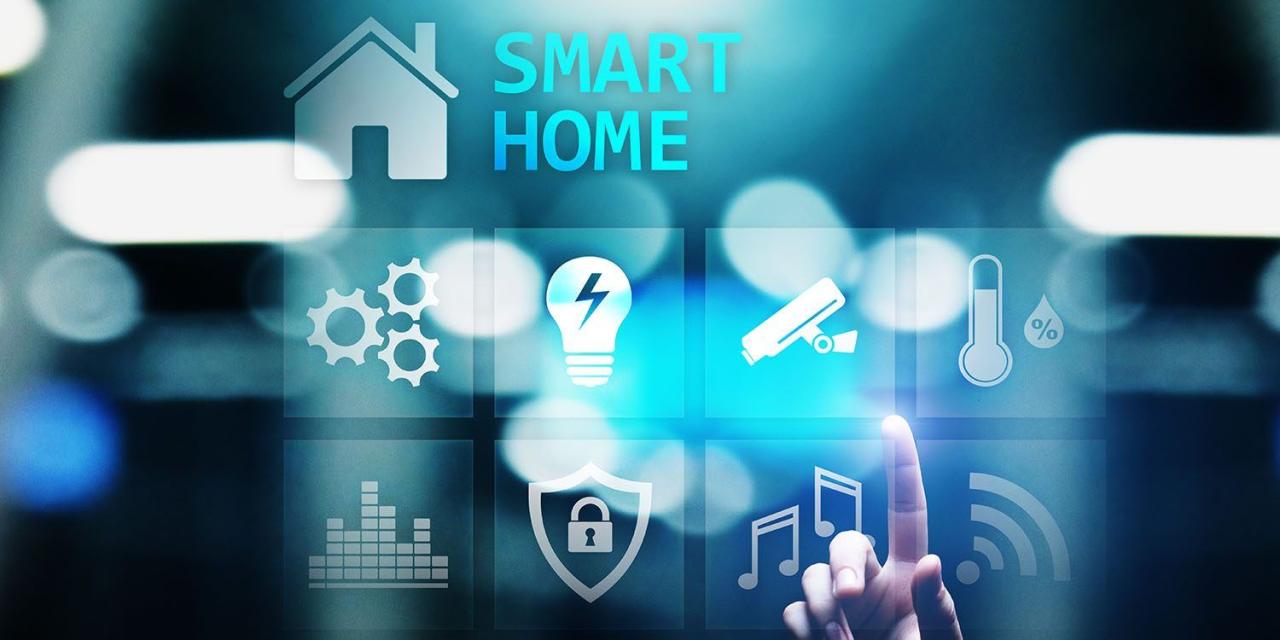
Internet of Things for Smart Homes takes center stage, beckoning readers into a world of innovation and convenience. Imagine a home where every device communicates seamlessly, creating a harmonious ecosystem of automation and efficiency.
From smart speakers to security cameras, explore the endless possibilities of IoT devices in transforming traditional houses into intelligent, interconnected spaces.
Internet of Things (IoT) refers to the network of interconnected devices that communicate and share data with each other over the internet. In the context of smart homes, IoT devices play a crucial role in automating and enhancing various aspects of home living.
How IoT devices communicate in a smart home ecosystem
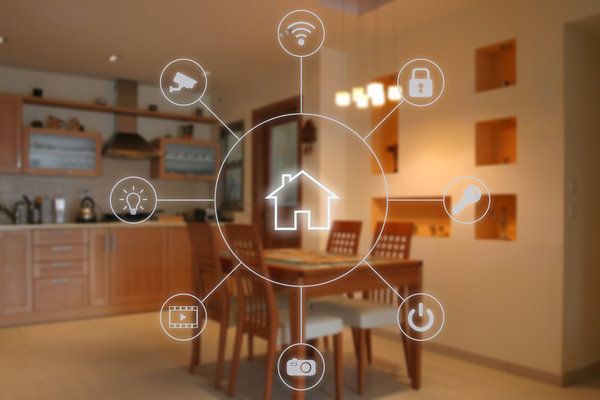
In a smart home ecosystem, IoT devices such as smart thermostats, lights, security cameras, and appliances are connected to a central hub or a cloud-based platform. These devices use sensors, actuators, and connectivity modules to communicate with each other and with the homeowner’s smartphone or computer. This interconnected network allows for seamless integration and control of various home functions.
Benefits of using IoT devices in smart homes
- Automation: IoT devices can automate routine tasks such as adjusting the temperature, turning on/off lights, and locking/unlocking doors based on pre-set schedules or triggers.
- Convenience: With IoT devices, homeowners can remotely monitor and control their home environment from anywhere using their smartphones, offering convenience and peace of mind.
- Energy efficiency: IoT devices can optimize energy usage by adjusting settings based on occupancy, weather conditions, and usage patterns, leading to cost savings and a reduced environmental footprint.
- Security: IoT devices like smart cameras and door locks enhance home security by providing real-time alerts, monitoring, and access control.
Popular IoT Devices for Smart Homes
In the world of smart homes, there are several popular IoT devices that have revolutionized the way we interact with our living spaces. These devices are designed to make our homes smarter, more efficient, and ultimately more convenient for the modern homeowner.
Smart Speakers
Smart speakers have become a staple in many smart homes, offering voice-controlled assistance, entertainment, and home automation. Some popular brands include Amazon Echo, Google Home, and Apple HomePod. These devices allow users to play music, control smart home devices, set reminders, and even answer questions through voice commands.
Smart Thermostats
Smart thermostats are another essential IoT device for smart homes, enabling homeowners to control their heating and cooling systems remotely. Brands like Nest Thermostat, ecobee, and Honeywell offer smart thermostats that can learn your schedule, adjust temperatures based on your preferences, and help save energy and money on utility bills.
Smart Security Cameras
Smart security cameras provide homeowners with peace of mind by allowing them to monitor their property remotely. Brands like Ring, Arlo, and Nest offer high-quality smart cameras with features like motion detection, two-way audio, and cloud storage for video recordings. These devices help enhance home security and allow users to keep an eye on their homes even when they are away.
Security and Privacy Concerns with IoT in Smart Homes
As smart home technology continues to grow, so do the security and privacy concerns associated with IoT devices. It is essential for homeowners to be aware of the potential risks and take proactive measures to protect their personal information and secure their smart homes.
Common Security Risks
- Data breaches: Hackers can exploit vulnerabilities in IoT devices to gain access to sensitive personal data stored on these devices.
- Hacking: Unauthorized individuals can hack into smart home systems, gaining control over devices and potentially compromising the security of the entire network.
- Privacy invasion: IoT devices, if not properly secured, can collect and transmit personal information without the homeowner’s consent, leading to privacy breaches.
Tips for Securing IoT Devices
- Change default passwords: Always change default passwords on IoT devices to unique, strong passwords to prevent unauthorized access.
- Update firmware regularly: Keep IoT device firmware up to date to patch security vulnerabilities and protect against potential threats.
- Use network segmentation: Create separate networks for IoT devices to isolate them from other devices and minimize the risk of a widespread breach.
Importance of Data Privacy
Maintaining data privacy is crucial in the age of IoT, where personal information is constantly being collected and shared. Homeowners must be vigilant about protecting their data and ensuring that IoT manufacturers prioritize security in their products.
Future Trends in Internet of Things for Smart Homes
As technology continues to advance at a rapid pace, the future of smart homes powered by the Internet of Things (IoT) holds exciting possibilities. Let’s explore some of the emerging trends that are shaping the landscape of IoT for smart homes.
Artificial Intelligence Integration
One of the key future trends in IoT for smart homes is the integration of artificial intelligence (AI) technology. AI-powered devices can learn and adapt to the preferences and habits of homeowners, making smart home systems more intuitive and personalized. From smart assistants like Amazon Alexa and Google Assistant to AI-driven security cameras, the possibilities are endless.
Voice Recognition Systems
Voice recognition technology is another area that is expected to play a significant role in the future of smart homes. With the rise of voice-activated devices like smart speakers and voice-controlled appliances, homeowners can easily interact with their smart home systems using natural language commands. This hands-free approach to controlling smart devices offers convenience and accessibility.
Advanced Automation and Integration
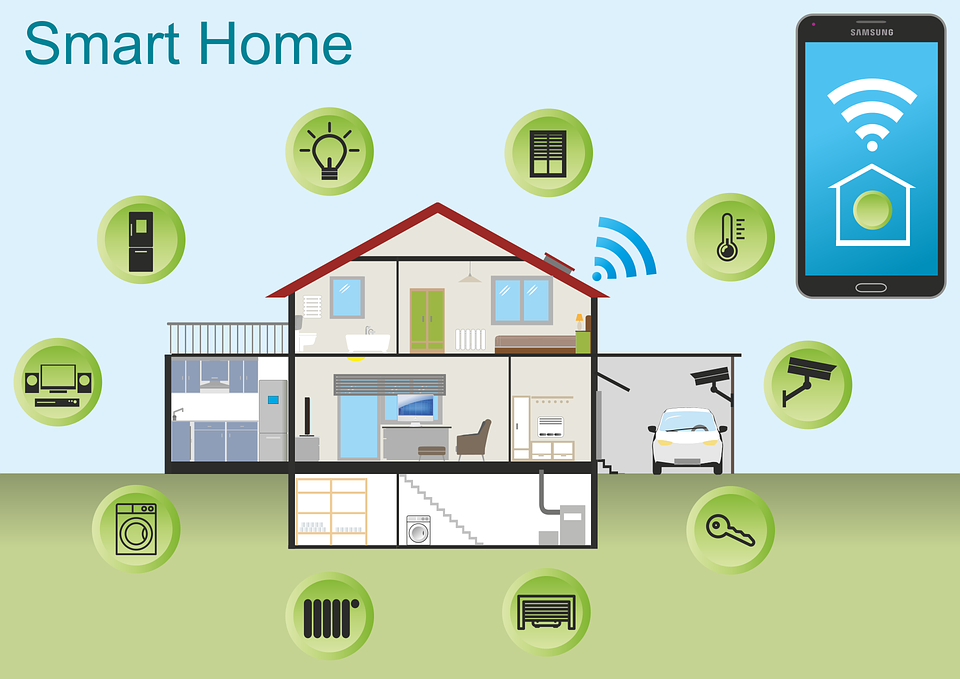
In the coming years, we can expect IoT devices and smart home systems to become even more interconnected and automated. From seamlessly syncing your smart thermostat with your smart lights to integrating your home security system with your smart locks, the future of smart homes will offer a seamless and integrated experience. This level of automation will not only enhance convenience but also improve energy efficiency and security.
Challenges and Opportunities
While the future of IoT for smart homes is promising, there are also challenges that come with increased connectivity and automation. Security and privacy concerns remain at the forefront, as the more devices we connect, the more vulnerable we become to cyber threats. However, with proper safeguards and protocols in place, the opportunities for creating truly connected and efficient smart homes are vast. It will be crucial for manufacturers, developers, and homeowners to work together to address these challenges and seize the opportunities that the future of IoT holds.
As we delve into the future of smart homes, envision a landscape where artificial intelligence and voice recognition redefine our living spaces. Embrace the challenges and opportunities that come with integrating IoT into our homes, as we pave the way for a more advanced and interconnected future.