

With Mobile Apps For Improving Small Business Operations at the forefront, embark on a journey of innovation and efficiency. Discover how these apps revolutionize small businesses, fostering growth and success.
Explore the key features, case studies, and future trends that showcase the transformative power of mobile apps in enhancing operations for small businesses.
In today’s fast-paced world, small businesses need to leverage technology to stay competitive and efficient. Mobile apps have become essential tools for small businesses to streamline operations, improve communication, and enhance collaboration within the organization.
Streamlining Operations
Mobile apps can automate repetitive tasks, track inventory, manage customer relationships, and process payments efficiently. By utilizing mobile apps, small businesses can save time, reduce human errors, and increase productivity.
Enhancing Communication and Collaboration
Mobile apps enable employees to communicate in real-time, share files, and collaborate on projects from anywhere. This improves team efficiency, fosters creativity, and ensures that everyone is on the same page, even when working remotely.
Examples of Successful Small Businesses
– A local bakery implemented a mobile app for online ordering and delivery, increasing sales by 30% within the first month.
– A small marketing agency used a project management app to streamline client communication and task assignments, resulting in a 20% growth in client retention.
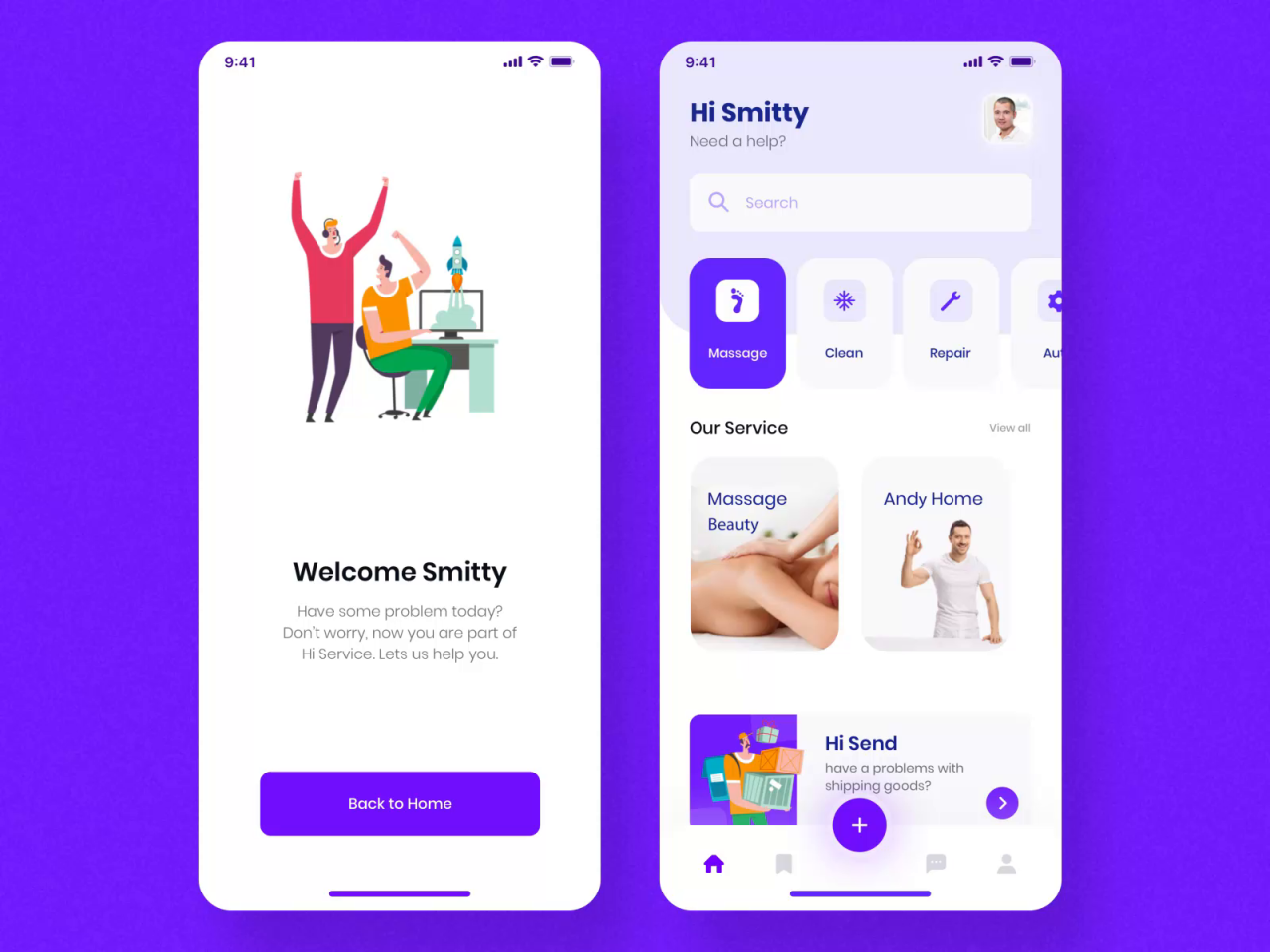
Key Features to Look for in Mobile Apps for Small Business Operations
When choosing a mobile app to streamline small business operations, it is crucial to look for key features that can enhance productivity, efficiency, and overall performance. These features can vary depending on the nature of your business, but some essential ones to consider include task management, scheduling, and CRM integration.
Task Management
Task management is a vital feature that allows you to create, assign, and track tasks efficiently. A mobile app with a robust task management system can help you prioritize activities, set deadlines, and monitor progress in real-time. Look for apps that offer customizable task lists, reminders, and notifications to keep your team organized and focused.
Scheduling
Scheduling capabilities in a mobile app can help you manage appointments, meetings, and deadlines effectively. Look for apps that offer calendar integration, automated scheduling, and the ability to sync across devices. A user-friendly interface with drag-and-drop functionality can make scheduling tasks seamless and hassle-free.
CRM Integration
Customer Relationship Management (CRM) integration is essential for small businesses looking to build and maintain strong customer relationships. A mobile app with CRM integration can centralize customer data, track interactions, and automate follow-ups. Look for apps that offer seamless integration with popular CRM platforms to streamline sales, marketing, and customer support processes.
Security Measures
When selecting a mobile app for business operations, security should be a top priority. Look for apps that offer data encryption, secure login protocols, and regular updates to protect sensitive business information. Consider apps that comply with industry standards and regulations to ensure the highest level of security for your business data.
Case Studies
In today’s competitive business landscape, small businesses are leveraging mobile apps to streamline their operations and boost efficiency. Let’s delve into some real-life examples of how mobile apps have transformed small business operations.
Case Study 1: Coffee Shop “BrewBuddies”
BrewBuddies, a cozy coffee shop in a bustling neighborhood, faced challenges in managing orders during peak hours and maintaining customer loyalty. By adopting a mobile ordering app, customers could now place orders in advance, reducing wait times and increasing sales.
Despite initial concerns about the cost and technical know-how, BrewBuddies overcame these challenges by partnering with a local tech company for app development and offering incentives for customers to download the app. The result? A 20% increase in revenue within the first month of app implementation.
Case Study 2: Boutique Clothing Store “ChicTrends”
ChicTrends, a boutique clothing store, struggled with inventory management and engaging customers beyond store visits. With the introduction of a mobile app that allowed customers to browse new arrivals, receive personalized recommendations, and make purchases online, ChicTrends saw a significant boost in sales and customer satisfaction.
Although integrating the app with their existing systems posed a challenge, ChicTrends invested in staff training and customer support to ensure a smooth transition. The result? A 30% increase in online sales and a 25% rise in customer retention rates.
Future Trends in Mobile Apps for Small Business Operations

Mobile apps for small business operations are constantly evolving to meet the changing needs and demands of business owners. As technology advances, new trends emerge that shape the future of mobile apps in the small business sector. Let’s explore some of the future trends in mobile apps for small business operations.
AI Integration in Mobile Apps
Artificial Intelligence (AI) is revolutionizing the way businesses operate, and its integration into mobile apps is becoming increasingly prevalent. AI-powered mobile apps can help small business owners automate tasks, analyze data, and make informed decisions. Features like chatbots, predictive analytics, and personalized recommendations are just some of the ways AI can enhance small business operations through mobile apps.
IoT Connectivity for Enhanced Efficiency
The Internet of Things (IoT) is another technology that is shaping the future of mobile apps for small businesses. IoT-enabled mobile apps can connect various devices and sensors to streamline operations, improve communication, and gather real-time data. For example, a small retail business can use IoT-connected mobile apps to track inventory, monitor equipment, and enhance customer experiences.
Personalization and Customization Features
In the future, mobile apps for small business operations are expected to offer more personalized and customizable features to cater to the specific needs of each business. From customizable dashboards to personalized notifications, small business owners will have the flexibility to tailor their mobile apps according to their preferences and requirements. This level of personalization can lead to increased efficiency and productivity in day-to-day operations.
Enhanced Security Measures
With the increasing reliance on mobile apps for business operations, security concerns are also on the rise. Future trends in mobile apps for small businesses will focus on implementing enhanced security measures to protect sensitive data and ensure secure transactions. Features like biometric authentication, encryption, and secure cloud storage will be crucial to safeguarding business information and maintaining customer trust.
Augmented Reality (AR) and Virtual Reality (VR) Integration
As AR and VR technologies continue to advance, their integration into mobile apps for small business operations is expected to grow. Small businesses can leverage AR and VR features in their mobile apps for virtual product demos, interactive customer experiences, and immersive training programs. These technologies can help small businesses stand out from competitors and provide unique value to customers.
In conclusion, Mobile Apps For Improving Small Business Operations are the cornerstone of modern success stories. Embrace technology, streamline processes, and watch your small business thrive in the digital age.