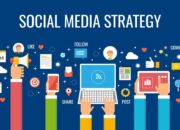


Using Social Media For Small Business Growth takes center stage, inviting entrepreneurs into a realm of endless possibilities. In a digital age where connections are paramount, harnessing the power of social media can propel small businesses to new heights of success.
Small businesses are unlocking unprecedented growth opportunities by strategically utilizing various social media platforms, creating engaging content, and navigating challenges with resilience. Let’s delve deeper into this transformative journey of leveraging social media for business growth.
In today’s digital age, social media has become a powerful tool for small businesses looking to grow and expand their reach. The importance of leveraging social media platforms cannot be overstated, as they offer a cost-effective and efficient way to connect with customers, build brand awareness, and drive sales.
Increased Brand Visibility
Social media allows small businesses to increase their brand visibility and reach a larger audience. By creating engaging content and interacting with followers, businesses can boost their online presence and attract new customers.
Customer Engagement and Relationship Building
One of the key benefits of using social media for small business growth is the ability to engage with customers on a personal level. By responding to comments, messages, and reviews, businesses can build strong relationships with their audience and foster customer loyalty.
Drive Website Traffic and Sales
Social media platforms serve as a gateway to drive traffic to a business’s website, ultimately leading to increased sales and conversions. By sharing links to products or services, small businesses can direct customers to their online store and generate revenue.
Success Stories
Countless small businesses have successfully leveraged social media to achieve remarkable growth and success. For example, a local bakery increased its sales by 30% after running a targeted Facebook advertising campaign, while a handmade jewelry shop saw a 50% jump in online orders after engaging with customers on Instagram.
Conclusion
Overall, social media plays a vital role in the growth and success of small businesses. By tapping into the power of social platforms, businesses can effectively promote their brand, engage with customers, and drive sales, ultimately leading to long-term growth and sustainability.

Strategies for Utilizing Social Media for Small Business Growth
In today’s digital age, social media has become an essential tool for small businesses to reach a wider audience, increase brand awareness, and drive sales. By implementing the right strategies, small businesses can effectively leverage social media platforms to achieve growth and success.
Different Social Media Platforms Suitable for Small Businesses
When it comes to choosing the right social media platforms for your small business, it’s essential to consider your target audience and the type of content you want to share. Some popular platforms that are suitable for small businesses include:
- Facebook: Ideal for building a community around your brand and engaging with customers through posts, live videos, and ads.
- Instagram: Great for visually showcasing your products or services through photos and videos, and reaching a younger demographic.
- Twitter: Perfect for sharing real-time updates, news, and engaging in conversations with your audience.
- LinkedIn: Ideal for networking with other businesses, sharing industry insights, and connecting with professionals in your field.
Creating Engaging Content Tailored for the Target Audience
To create engaging content that resonates with your target audience, it’s important to understand their needs, preferences, and pain points. Here are some tips for creating tailored content:
- Know your audience: Conduct market research to understand your target audience’s demographics, interests, and online behavior.
- Use visuals: Incorporate high-quality images, videos, and graphics to capture your audience’s attention and convey your brand message effectively.
- Be authentic: Share authentic stories, behind-the-scenes content, and user-generated content to build trust and authenticity with your audience.
- Engage with your audience: Respond to comments, messages, and feedback promptly to show that you value your customers’ opinions and input.
Tips on How to Increase Reach and Engagement on Social Media
To increase reach and engagement on social media, consider the following tips:
- Post consistently: Develop a content calendar and schedule regular posts to keep your audience engaged and informed.
- Use hashtags: Research relevant hashtags and incorporate them into your posts to increase visibility and reach a broader audience.
- Run contests and giveaways: Encourage engagement and interaction by hosting contests, giveaways, or challenges that incentivize your audience to participate.
- Collaborate with influencers: Partner with influencers or industry experts to reach a larger audience and leverage their credibility and influence.
Tools and Resources for Small Businesses on Social Media
In the digital age, having a strong social media presence is crucial for small businesses to reach their target audience and grow their brand. Utilizing the right tools and resources can make a significant difference in managing social media effectively.
Essential Tools for Managing Social Media
- Social media scheduling platforms like Hootsuite or Buffer to plan and automate posts across multiple channels.
- Canva for creating eye-catching graphics and visuals to engage your audience.
- Analytics tools such as Google Analytics or Facebook Insights to track performance and optimize strategies.
- Customer relationship management (CRM) software like HubSpot or Salesforce to manage interactions and build relationships with customers.
- Social listening tools like Mention or Brandwatch to monitor conversations about your brand and industry.
Comparing Analytics Tools for Tracking Performance
- Google Analytics: Provides in-depth data on website traffic, user behavior, and conversions from social media.
- Facebook Insights: Offers insights into audience demographics, engagement metrics, and post performance on Facebook.
- Sprout Social: Combines social media management with analytics to track performance across different platforms.
- Buffer Analyze: Focuses on social media performance, including reach, engagement, and top-performing content.
Resources for Learning and Staying Updated
- Online courses and certifications from platforms like Coursera or HubSpot Academy to improve social media marketing skills.
- Industry blogs and websites such as Social Media Examiner or Buffer’s blog for the latest trends and best practices in social media marketing.
- Podcasts like “Social Media Marketing Talk Show” or “The GaryVee Audio Experience” for valuable insights and expert interviews.
- Networking events, conferences, and webinars to connect with other professionals and stay informed about industry developments.
In the rapidly evolving landscape of social media, small businesses often encounter various challenges that can hinder their growth potential. From limited resources to negative feedback, navigating these obstacles is crucial for success in the digital realm.
Limited Resources for Social Media Marketing
Small businesses frequently face constraints when it comes to resources for social media marketing. However, there are strategies that can help overcome these challenges:
- Focus on quality over quantity: Instead of trying to be present on every social media platform, concentrate on a few key channels where your target audience is most active. This allows you to allocate resources more effectively.
- Utilize free tools and resources: Take advantage of the many free social media management tools available, such as Hootsuite or Buffer, to streamline your efforts and maximize your impact without breaking the bank.
- Collaborate with influencers or partners: Partnering with influencers or other businesses can help amplify your reach and extend your marketing efforts without significant financial investment.
Handling Negative Feedback or Crises on Social Media Platforms

Negative feedback or crises on social media can be challenging to navigate, but they can also present opportunities for growth and improvement. Here are some strategies to effectively manage these situations:
- Respond promptly and professionally: Address negative feedback in a timely and respectful manner, demonstrating your commitment to customer satisfaction and willingness to resolve issues.
- Take conversations offline: When dealing with sensitive or complex issues, consider moving the conversation to a private message or email to prevent further escalation and maintain a positive public image.
- Monitor and learn from feedback: Use negative feedback as an opportunity to learn and improve your products or services, showing your audience that you value their opinions and are dedicated to continuous growth.
In conclusion, harnessing social media for small business growth is not just an option – it’s a necessity in today’s competitive landscape. By embracing the tools, strategies, and resources available, businesses can overcome challenges and thrive in the digital realm. As you embark on this exciting venture, remember that consistency, creativity, and adaptability are key to unlocking the full potential of social media for your business.