
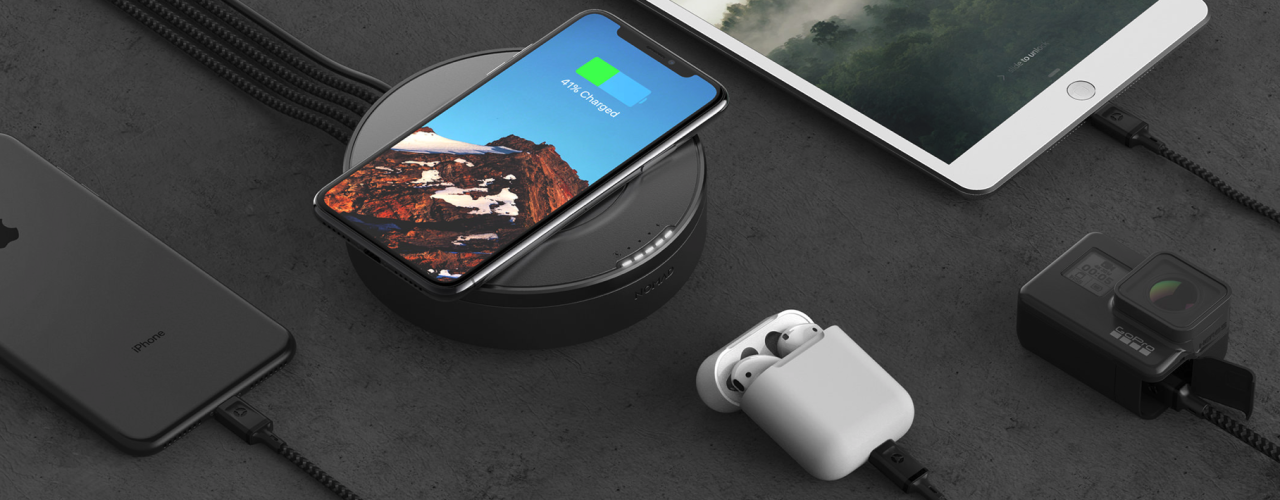
Wireless Charging Technology for Electronic Devices brings forth a new era of convenience and efficiency, allowing users to power up their devices without the hassle of cords and plugs. As we delve into this innovative technology, a world of possibilities opens up, promising a seamless and effortless way to keep our electronic devices charged and ready for action.
Exploring the intricacies of wireless charging, we uncover the mechanisms that drive this technology and the various benefits it offers to users in today’s fast-paced digital landscape.
Wireless charging technology is a revolutionary way to power electronic devices without the need for traditional wired connections. This technology utilizes electromagnetic fields to transfer energy between a charging pad and a compatible device, eliminating the hassle of dealing with cords and cables.
How Wireless Charging Works
Wireless charging works through electromagnetic induction, where an electric current passes between coils in the charging pad and the device. This energy transfer allows the device to charge without the need for physical contact with the power source.
Benefits of Wireless Charging
– Convenience: Users can simply place their devices on a charging pad without having to fumble with cords.
– Durability: With no physical connectors, there is less wear and tear on charging ports.
– Versatility: Wireless charging pads can be placed in various locations for easy access to power.
Examples of Devices Supporting Wireless Charging
– Smartphones: Many modern smartphones, such as iPhones and Samsung Galaxy devices, support wireless charging.
– Smartwatches: Devices like the Apple Watch and Samsung Galaxy Watch can be charged wirelessly.
– Wireless Earbuds: Products like Apple AirPods and Samsung Galaxy Buds offer wireless charging capabilities.

Types of Wireless Charging Technologies
Wireless charging technologies have evolved over the years, offering different methods to power up electronic devices without the need for cables. Let’s explore and compare the various types of wireless charging technologies available in the market.
Inductive Wireless Charging
Inductive wireless charging is based on the principle of electromagnetic induction. It involves transferring energy between two coils – one in the charging pad and the other in the device. While this technology is widely used and compatible with many devices, it tends to be slower and less efficient compared to other wireless charging methods.
Resonant Wireless Charging
Resonant wireless charging technology operates on the concept of resonant inductive coupling. This method allows for more flexibility in the positioning of the device on the charging pad, making it more convenient for users. Resonant charging also tends to be faster and more efficient than inductive charging, although it may come at a higher cost.
Radio Frequency (RF) Wireless Charging
RF wireless charging is a newer technology that uses radio frequency signals to transmit power wirelessly. This method allows for charging devices at a distance, without the need for direct contact with a charging pad. While RF charging offers the convenience of charging devices from a distance, it may not be as efficient or as fast as inductive or resonant charging methods.
Overall, each wireless charging technology has its own set of advantages and limitations. Users should consider factors such as charging speed, efficiency, and convenience when choosing the most suitable wireless charging method for their devices.
Implementation
Wireless charging technology has revolutionized the way we power our electronic devices, offering convenience and eliminating the need for traditional wired chargers. However, integrating wireless charging into various electronic devices comes with its own set of challenges and design considerations.
Challenges Faced in Integrating Wireless Charging
- Compatibility: Ensuring that wireless charging technology is compatible with different devices and standards can be a challenge, as there are various protocols and specifications to consider.
- Efficiency: Wireless charging can sometimes be less efficient than wired charging, leading to longer charging times and potential energy loss.
- Heat Management: The heat generated during wireless charging can impact the device’s performance and battery life, requiring effective heat dissipation mechanisms.
Design Considerations for Implementing Wireless Charging
- Placement: The positioning of the wireless charging coils within the device is crucial to ensure efficient charging and optimal user experience.
- Integration: Designing the device’s internal components to accommodate wireless charging technology without compromising on performance or aesthetics.
- Safety: Implementing safety features to prevent overheating, overcharging, and other potential risks associated with wireless charging.
Impact of Wireless Charging on User Experience
- Convenience: Wireless charging offers a hassle-free charging experience, allowing users to simply place their device on a charging pad without dealing with cables.
- Flexibility: Users can charge multiple devices simultaneously with wireless charging pads, eliminating the need for separate chargers for each device.
- Durability: With no wear and tear from plugging and unplugging cables, wireless charging can potentially increase the longevity of electronic devices.
Future Trends

As technology continues to advance at a rapid pace, the future of wireless charging for electronic devices holds exciting possibilities. Let’s explore some of the potential trends and innovations that we can expect to see in the coming years.
Advancements in Charging Speed
One of the most anticipated future trends in wireless charging technology is the improvement in charging speeds. With advancements in technology, we can expect to see faster charging times for electronic devices, making it more convenient for users to power up their devices quickly and efficiently.
Extended Charging Ranges
Another area of development in wireless charging technology is the extension of charging ranges. Currently, wireless charging requires devices to be placed in close proximity to charging pads. However, in the future, we may see the expansion of charging ranges, allowing users to charge their devices from a greater distance without compromising efficiency.
Environmental Implications
With the widespread adoption of wireless charging technology, there are potential environmental implications to consider. Wireless charging eliminates the need for disposable batteries and reduces electronic waste, leading to a more sustainable approach to powering electronic devices. As this technology evolves, we can expect to see further environmental benefits that contribute to a greener future.
In conclusion, Wireless Charging Technology for Electronic Devices stands as a beacon of progress in the realm of device charging, offering a glimpse into a future where power is seamlessly integrated into our daily lives. As we embrace this evolution, we pave the way for a more efficient and convenient way to stay connected and powered up.